
Workspace Design
The Minimalist Desk Setup: How Eliminating Visual Noise Unlocks Deep Work
25
Aug
Aug
Your physical desk is not just a piece of furniture—it is the physical manifestation of your mental state. When cables snake across the surface, loose papers pile up, and mismatched peripherals compete for your peripheral vision, your brain quietly expends cognitive energy filtering out that disorder.
Over the past decade of building focused setups for programmers, designers, and writers, we have noticed a universal truth: the best workspaces don’t have more stuff—they have fewer, higher-quality essentials.
1. Establish the Anchor: The Role of a Dual-Sided Desk Mat
Every minimalist workspace needs a defined zone of focus. A premium desk mat (such as bonded leather or felt) serves as an anchor. It visually separates your keyboard and mouse from the bare wood of your desk, dampens the sharp clack of mechanical switches, and provides a tactile warmth that plastic desk surfaces simply cannot offer.
Pro Tip on Surface Choice:
Choose a desk mat color that complements your desktop. A midnight blue or deep obsidian pad grounds a light oak or birch desk, while an earthy tan or cognac leather adds warmth to a white or matte-black desk.
Choose a desk mat color that complements your desktop. A midnight blue or deep obsidian pad grounds a light oak or birch desk, while an earthy tan or cognac leather adds warmth to a white or matte-black desk.
2. The 3-Item Surface Rule
Before sitting down for a 4-hour sprint, inspect your desktop. Aside from your primary display, keyboard, and mouse, limit loose items on the surface to no more than three intentional tools:
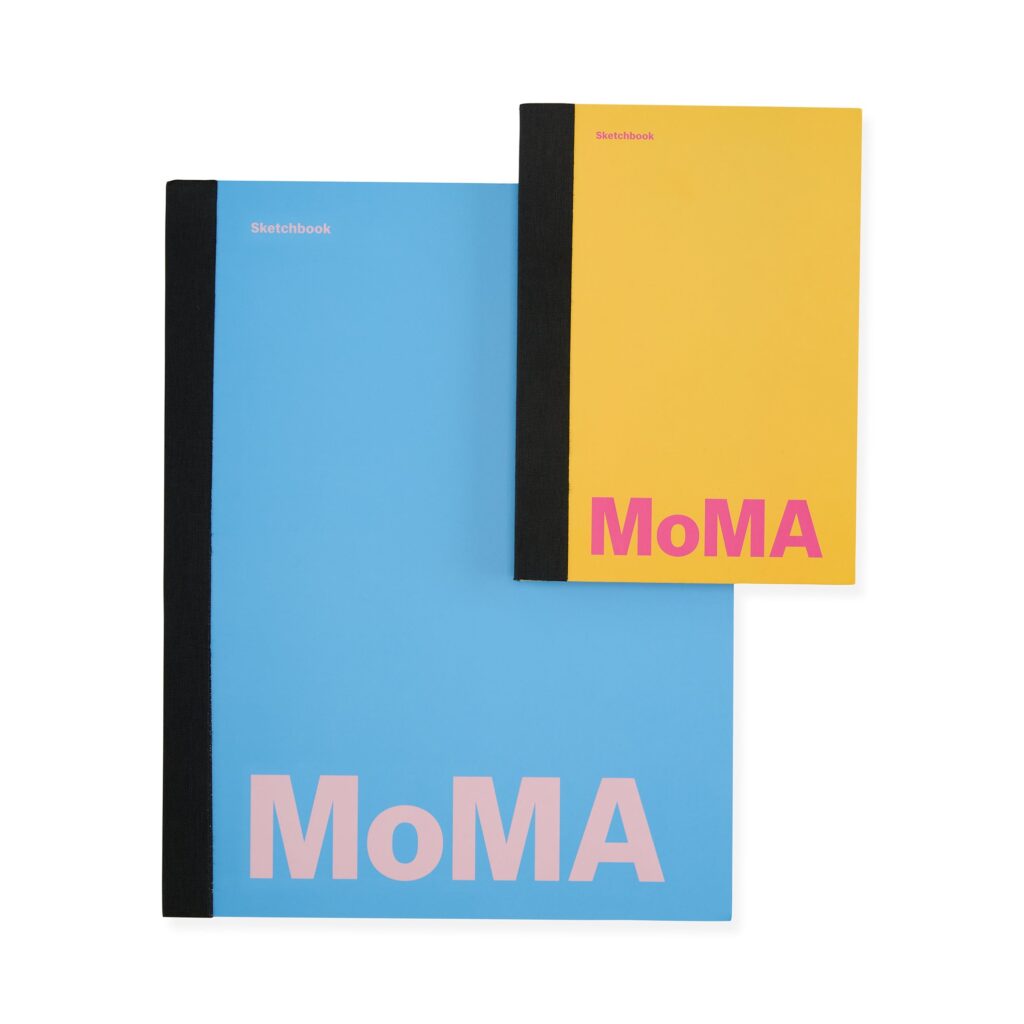
- One Analog Input: A single hardcover sketchbook or task notebook and one brass or aluminum pen.
- One Hydration Vessel: A ceramic mug or stainless tumbler.
- One Ambient Light Source: An architectural task lamp with warm (2700K) diffusion.
Everything else—external hard drives, dongles, spare charging cables—should live off-surface, either mounted in an under-desk tray or tucked away in a drawer organizer.
3. Elevate to Relieve: The Power of Monitor Elevation
Placing your display directly on the desk forces your neck into a continuous downward angle, causing mid-back strain after just 90 minutes. A solid wood desk riser lifts the screen to natural eye level while creating a hollow pocket underneath to park your keyboard at the end of the workday—symbolically closing out your shift.
Written by the IdioTax Studio Team • Houston, Texas
