
Productivity & Health
The Architecture of Task Lighting: Why Warm 2700K Illumination Saves Your Evening Focus
25
Aug
Aug
Most desk setups suffer from one of two lighting extremes: either the harsh, clinical glare of 6500K overhead fluorescent tubes, or the pitch-black contrast of a bright monitor in an unlit room. Both punish your ciliary muscles and ruin your circadian rhythm.
Understanding Color Temperature (Kelvin Scale)
During daylight hours (9:00 AM – 3:00 PM), natural sunlight clocks in around 5000K–6000K, signaling to your brain to suppress melatonin and stay alert. However, once the sun dips below the horizon, continuing to expose your eyes to cool blue-white light tricks your brain into thinking it’s midday, delaying restorative sleep.
For evening creative work, switching to a dedicated 2700K warm incandescent or warm LED task lamp provides the ideal illumination: clear enough to sketch or read documents, but gentle enough to ease your nervous system into winding down.
Diffused vs. Direct Lighting
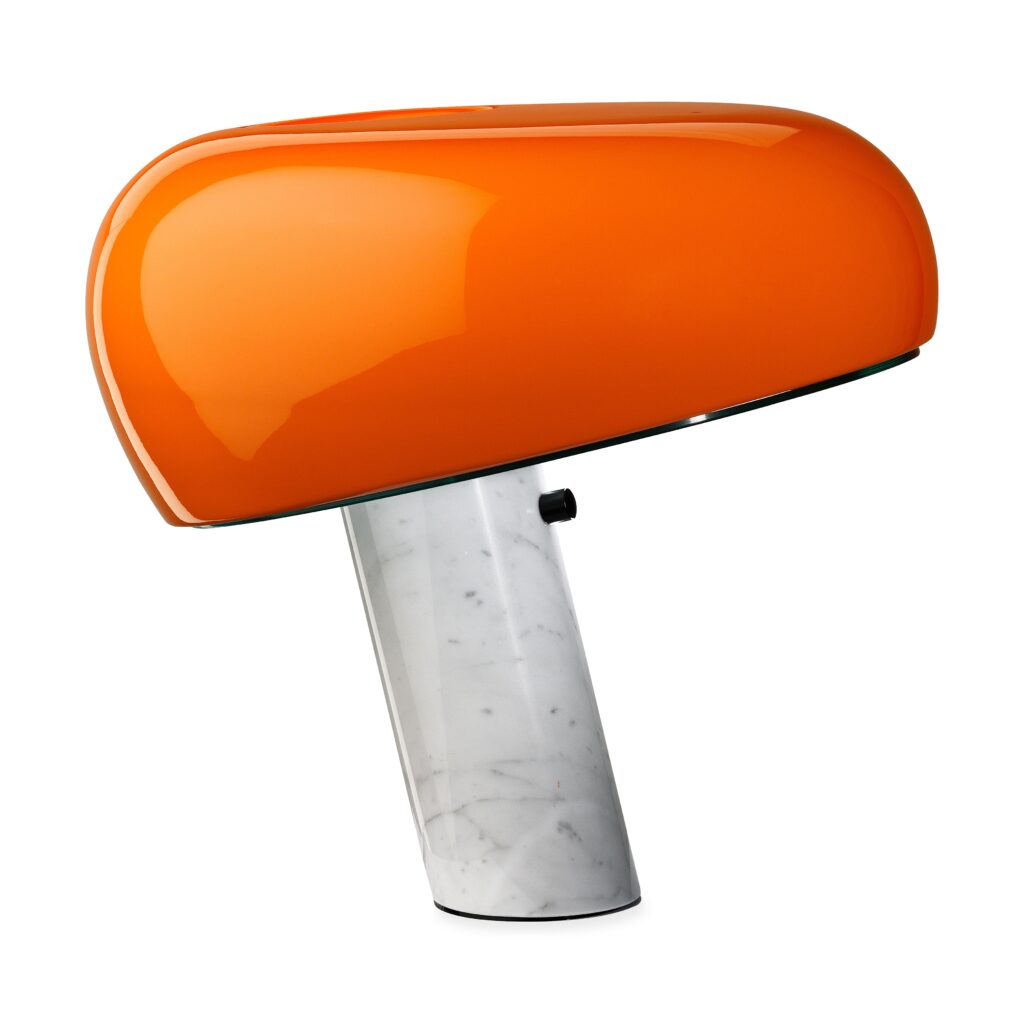
Direct spotlighting creates harsh shadows and screen reflections. Iconic architectural designs (like the Flos Snoopy or diffused mushroom lamps) bounce light off an enameled reflector or marble base, scattering soft, indirect ambient light across your desktop workspace.
3 Golden Rules for Desk Illumination
- Eliminate Direct Glare: Position the light source slightly to the side and angled away from your monitor panel.
- Balance Luminance: The ambient room brightness should roughly match 60% of your display brightness to prevent pupil fatigue.
- Dimmable Control: Always choose lamps with stepped or continuous dimmer dials so you can tailor lumen output to the exact hour of the evening.
Written by the IdioTax Studio Team • Houston, Texas
